

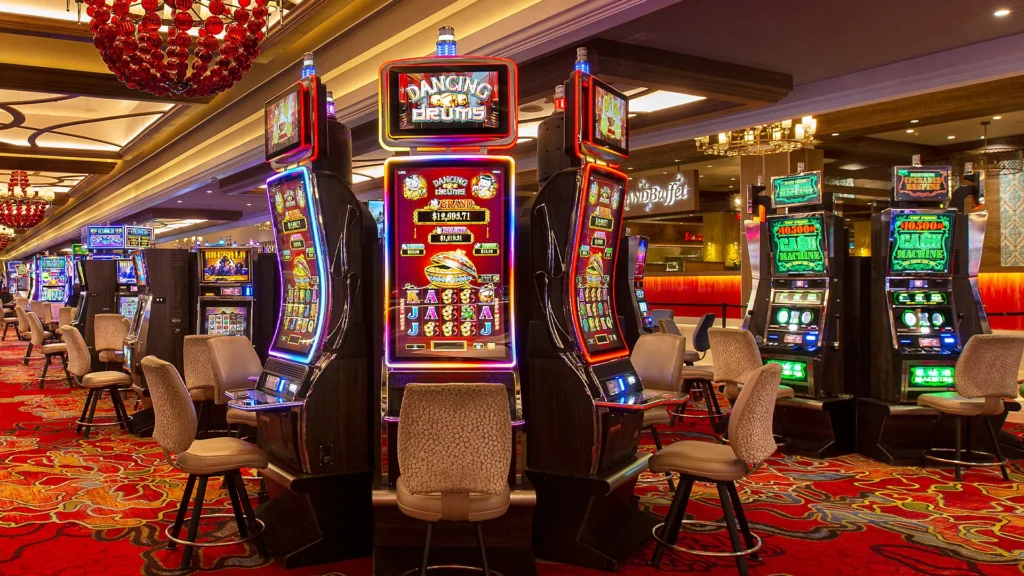
An in-depth, behind-the-reels look at the technology, psychology, and math powering the world’s most popular casino games. Casino slots are the backbone of the gambling world. They’re the gleaming neon towers that dominate casino floors from Macau to Las Vegas, the digital spinners lighting up mobile screens on the commute home, and the source of billions in revenue for casinos worldwide. Whether you’re a casual player, a hobbyist who loves game design, or a math nerd fascinated by probability engines disguised in bright graphics, understanding how slots work reveals a surprisingly complex fusion of code, psychology, engineering, and regulatory oversight.
In this feature, we’ll peel back the chrome-polished exterior of slot machines and look at how they’re put together—from the math models that determine outcomes to the random number generators deciding every spin, from bonus mechanics to volatility, from the history of the one-armed bandit to the immersive digital ecosystems of modern online slots. This is your 2000+ word deep dive into the heart of casino slot technology.
The Origins: From The One-Armed Bandit To Digital Universes
Before exploring the mechanics, it helps to understand where slot machines came from. The first slot machine appeared in the late 19th century, created by Charles Fey. His Liberty Bell slot had three physical reels with five symbols: diamonds, hearts, spades, horseshoes, and the Liberty Bell at https://22bet.co.ke/slots/game/65652/fruit-island. Pull the lever and the reels spun; lining up three bells paid the biggest prize.
It was mechanical, simple, and purely physical. Each reel was an actual wheel with equally spaced notches, and the odds were determined by how many symbols existed on each reel. There were no microchips, no algorithmic weighting, no lights or bonus games. The machine’s logic was literally cast in metal. Over time, casinos introduced electromechanical slots that used motors, sensors, and eventually chips. Physical reels still spun, but the system behind them became programmable. This transition changed everything. It allowed:
- More symbols per reel
- Jackpots that were statistically possible but rare
- Bonus games and extra features
- Improved security and anti-tampering measures
And then, in the 1990s, fully digital video slots appeared. At this stage, reels no longer needed to exist physically at all. A random number generator (RNG) determined outcomes instantly, and the “reels” could be animations rather than mechanical parts. Today, even physical slot cabinets often use screens with simulated reels.
Online slots are the inheritors of this history. They’re built on the same mathematics as modern land-based machines—only now the slot experience is infinitely customizable with themes, soundtracks, animated features, complex paytables, dynamic bonuses, and persistent reward systems. Despite these layers of creative design, the core mechanism remains unchanged since the 1980s: gaming math + an RNG = the outcome of every spin. Let’s unpack that.
The Heart Of Every Slot: The Random Number Generator (RNG)
At the center of every modern slot machine—whether in a casino hall or on a smartphone—is a Random Number Generator. This isn’t a simple “pick a number out of a hat” function. It’s a continuously running algorithm cycling thousands of numbers every second.
Here’s what the RNG does:
- It constantly generates long strings of numbers.
- Each number or sequence corresponds to a specific combination on the reels.
- When you press “spin,” the machine doesn’t start the process —it stops the RNG at the current number.
- That number determines the final symbol positions.
No pulling tricks. No timing manipulation. No pattern recognition. No “this machine is overdue.” The RNG never stops. All a player does is initiate the moment an outcome is taken from that continuous stream.
Conclusion: The Magic Behind The Spin
Slot machines are far more than spinning reels and flashy lights. They’re intricate systems of mathematics, psychology, and technology—designed to deliver an immersive entertainment experience while operating within strict regulatory frameworks.
Behind every spin lies:
- A constantly running RNG
- A carefully crafted math model
- Weighted reels and probability tables
- Highly engineered sensory design
- Layered bonus mechanics
- Volatility tuned to the designer’s vision
Whether played casually for fun or studied academically for the probabilities behind them, slots remain one of the most fascinating intersections of engineering and entertainment.