

Football has always been a sport filled with emotion, passion, and dramatic moments. However, controversial referee decisions have also been a constant part of the game for decades. To improve fairness and accuracy in officiating, football authorities introduced Video Assistant Referee (VAR) technology. Since its implementation, VAR has significantly influenced how matches are officiated and how critical decisions are made on the field.
In the modern football landscape, technology continues to reshape the sport, and VAR stands as one of the most impactful innovations. For fans and analysts who frequently follow information on a Web Cá Độ Bóng Đá, understanding the role and evolution of VAR technology can provide deeper insights into how modern matches are managed.
The Origins of VAR and the Need for Technological Support in Football
Before the introduction of VAR, referees had to rely entirely on their vision and the assistance of linesmen to make decisions. While referees are highly trained professionals, the speed and intensity of modern football often make it difficult to observe every detail accurately.
Controversial incidents such as disputed goals, missed penalties, or incorrect red cards have historically sparked debates among fans, players, and managers. These situations sometimes affected the outcome of important matches and even entire tournaments.
To address these challenges, football governing bodies began exploring the possibility of using video technology to assist referees. This initiative eventually led to the development and testing of VAR systems.
How VAR Technology Works During a Football Match
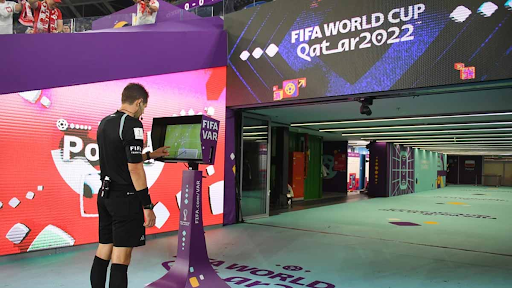
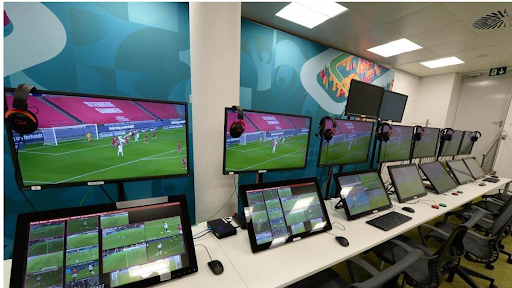
VAR is designed to assist referees by reviewing key incidents during a match through video replay. A team of video assistant referees monitors the game from a control room equipped with multiple camera angles and slow-motion replay technology.
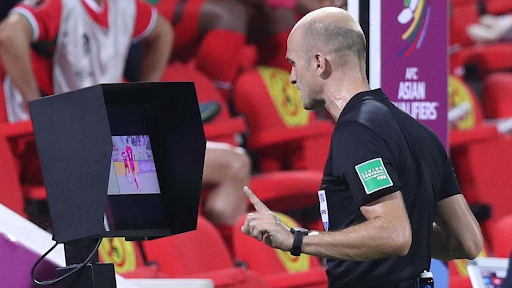
When a potentially controversial incident occurs, the VAR team can recommend a review to the on-field referee. The referee then has the option to review the footage on a pitch-side monitor or rely on the VAR team’s information to make a final decision.
VAR is typically used in four specific situations: goals and possible offenses leading to goals, penalty decisions, direct red card incidents, and cases of mistaken identity when issuing cards.
This structured approach ensures that technology supports the referee without interfering excessively with the flow of the match.
Major Tournaments That Accelerated the Adoption of VAR
Although VAR was initially tested in smaller competitions, its global recognition grew after being introduced in major international tournaments. The technology gained widespread attention when it was officially used in the 2018 FIFA World Cup.
During that tournament, VAR played an important role in reviewing several critical decisions, including penalties and offside calls. While some fans debated its influence, the system proved effective in reducing clear refereeing errors.
Following the success of these trials, many top domestic leagues around the world began adopting VAR technology as a standard officiating tool.
Today, VAR is widely used in major football leagues and international competitions, reflecting the sport’s increasing reliance on technology to improve fairness.
The Impact of VAR on Modern Football Matches
The introduction of VAR has significantly changed how referees manage football matches. With the support of video technology, referees now have the ability to review crucial moments and avoid major mistakes that could affect match results.
This has improved the accuracy of important decisions, particularly in situations involving offside goals, penalty incidents, or dangerous fouls.
However, VAR has also introduced new discussions within the football community. Some critics argue that frequent reviews can interrupt the flow of the game and reduce the spontaneity that makes football exciting.
Despite these debates, most football authorities agree that VAR has improved the overall fairness of the sport.
The Relationship Between Technology and Modern Football Analysis
As football continues to evolve, technology plays an increasingly important role not only in refereeing but also in match analysis. Data analytics, goal-line technology, and performance tracking systems have all become essential tools in the modern game.
For football enthusiasts who regularly follow statistics and match insights on platforms such as https://cadobongda2026.com/, understanding how technology like VAR influences decision-making can provide valuable context when analyzing matches.
These technological developments help create a more transparent environment where crucial decisions can be reviewed and verified more accurately.
Future Developments of VAR and Football Technology
Although VAR has already improved the accuracy of refereeing decisions, many experts believe the system will continue to evolve. Football organizations are constantly exploring ways to make the technology faster and more efficient.
Future improvements may include semi-automated offside detection, enhanced camera systems, and more advanced data integration to assist referees during live matches.
The ultimate goal is to balance technological accuracy with the natural flow of the game, ensuring that football remains both fair and entertaining.
Conclusion
The development of VAR technology represents a major milestone in the modernization of football. By assisting referees in reviewing key decisions, VAR has helped reduce significant officiating errors and improved the fairness of the sport.
While debates about its impact on the rhythm of matches continue, there is no doubt that technology will remain an essential part of football’s future.
As the sport continues to evolve, innovations like VAR will play a crucial role in ensuring that football maintains both integrity and excitement for fans around the world.