

How to play roulette is one of those questions with a misleading reputation. The table looks complicated, the betting grid has dozens of options, and everyone around it seems to know exactly what they are doing. In reality, the core of the game takes about a minute to understand. A ball spins around a wheel, lands in a numbered pocket, and you win if you bet on that outcome. Everything else is layers on top of that single idea. This guide breaks those layers down one at a time, and shows how Hitclub lets you practice each step for free.
How to play roulette: the basics you need first
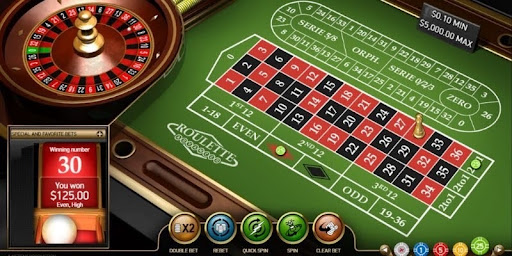
At Hitclub , Before placing a single chip, three concepts are worth getting straight.
The wheel: European versus American
This is the first thing to check, and most beginners skip it. The European wheel has 37 pockets, numbers 1 through 36 plus a single zero. The American wheel adds a double zero for 38 pockets total. That one extra pocket nearly doubles the house edge, from 2.7 percent to 5.26 percent, without changing the payouts at all. Anyone learning how to play roulette should make this rule number one: pick the European wheel whenever it is available. There is no strategic reason to ever prefer the American version.
Inside bets versus outside bets
The betting grid splits into two zones. Inside bets sit on the numbers themselves. A straight bet on a single number pays 35 to 1, a split across two numbers pays 17 to 1, and so on down through streets and corners. Outside bets surround the grid and cover large groups: red or black, odd or even, high or low, plus dozens and columns. Outside bets pay less, usually even money or 2 to 1, but they hit far more often. Almost everyone figuring out how to play roulette should live in the outside zone for their first sessions.
How payouts actually work
Here is the honest math. Payouts are set as if the zero did not exist. A straight number bet pays 35 to 1, but there are 37 pockets, so the true odds are 36 to 1 against you. That small gap is the house edge, and it applies evenly across every bet on the table. No bet type is secretly better than another, which is oddly freeing. You can bet however you enjoy without worrying that you picked the mathematically wrong option.
Your first session: how to play roulette step by step

Knowing the rules and sitting through an actual session are different things, so here is the sequence worth following.
- Choose your format. Hitclub offers both RNG roulette, where software spins instantly, and live dealer tables with a real wheel on camera. RNG is better for learning because you control the pace completely.
- Set a budget before you open the game. Decide the total amount you are willing to spend on the session and treat it as the cost of entertainment, not an investment.
- Start with even money bets. Red or black, odd or even. These hit roughly 48.6 percent of the time on a European wheel, so you will see wins early and often.
- Watch a few rounds before raising anything. Get a feel for the rhythm of betting windows, spins, and payouts before your chips get bigger.
- Use demo mode first. Hitclub runs free practice tables where every mechanic works identically to real play. Learning how to play roulette with virtual credits removes every ounce of pressure.
One more habit worth building immediately: check the payout table on whichever version you open. The numbers should match what this guide describes. If a platform quietly pays less than 35 to 1 on straight bets, leave. That transparency check takes ten seconds and tells you a lot about how to play roulette on any given site, and about the site itself.
How to play roulette with popular strategies
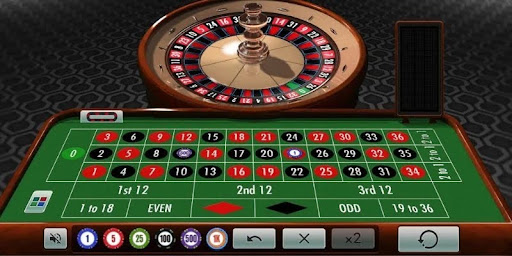
Sooner or later you will hear about betting systems, so it helps to know what they actually do.
The Martingale and its very real limits
The Martingale is simple: double your bet after every loss, and one win recovers everything plus a small profit. It sounds bulletproof and it is not. Losing streaks run longer than intuition suggests, and doubling grows brutally fast. Seven straight losses starting from a small base bet already requires a bet 128 times your starting stake, and table limits exist specifically to cap this. Understand it, respect why it fails, and use it cautiously if at all.
The D’Alembert for gentler swings
This system increases your bet by one unit after a loss and decreases by one after a win. The progression is far flatter than Martingale, so a bad run stings instead of destroying you. It does not change the house edge, nothing does, but it gives structure to your bet sizing and keeps sessions calmer. For anyone practicing how to play roulette with a system for the first time, this is the safer classroom.
Where strategy ends and luck takes over
Here is the truth no system seller wants printed. Every spin is independent. The wheel has no memory, red is never due, and no sequence of past results predicts the next pocket. Strategies manage your money, and that is genuinely valuable, but they cannot bend probability. Hitclub publishes the odds openly on every table because informed players stick around longer than disappointed ones. Treat systems as bankroll discipline tools, enjoy the game for what it is, and you will have understood how to play roulette better than most people at the table.
Conclusion
How to play roulette comes down to three layers learned in order. Tài Xỉu Online , always European when you have the choice. Then the bets, starting with outside options that hit often and keep your session alive. Finally the strategies, useful for discipline and useless for prediction. Practice everything in demo mode until placing chips feels automatic, set your budget before the first spin, and check the payout tables wherever you play. The game itself is pure chance, but how prepared you are is entirely within your control. Hitclub gives you free practice tables, honest odds on display, and both live and digital wheels, so the learning curve costs you nothing but a little time.