

There was a time when slot machines belonged almost entirely to noisy casino floors, blinking somewhere between cigarette smoke and cocktail trays. Now? They live quietly inside smartphones, social media feeds, and late-night boredom. A quick spin while waiting for coffee. Another during a train ride. Somehow, thirty minutes disappeared. Funny how that works. What makes casual casino gaming so strangely magnetic is not necessarily the possibility of winning. Most folks get hooked on games way before cash comes into play. Bright hues, catchy beats, a steady pulse, that edge-of-seat feeling – creators lean hard on what clicks deep in our brains. Turns out, we’re wired to crave rhythms, little shocks, moments of quick joy, much more than we admit. True, science has poked at this stuff for years now. The interesting part is that the same mechanisms behind game engagement also appear in fitness apps, streaming platforms, and even productivity tools. The casino aesthetic simply packages them differently — louder, brighter, more playful.
Why the brain loves uncertainty
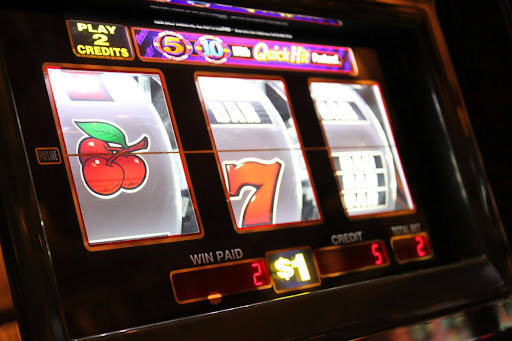
Surprisingly, people react strongly when things feel random. It turns out research on how humans act keeps finding the same result – uncertain payoffs grab attention more than steady ones do. Known as variable ratio reinforcement, this idea got its start through work done by B. F. Skinner, who looked closely at how creatures respond when rewards appear without warning. Here is the strange thing: the brain often reacts more strongly before a reward than after receiving it. Anticipation itself becomes enjoyable. Dopamine activity rises during uncertainty, especially when outcomes remain possible but not guaranteed. That explains part of the fascination surrounding modern free slots and casual casino-style games. The spinning reels are only one layer. The real interaction happens in the mind:
- anticipation before the result
- near-misses creating emotional tension
- visual celebrations triggering excitement
- intermittent rewards maintaining attention
Come to think of it, near-misses are especially fascinating. Research from the University of Cambridge found that “almost winning” activates brain regions similar to actual wins. In other words, being close sometimes feels rewarding on its own. Slightly irrational? Absolutely. Very human? Also yes.
The rise of casual casino design
Modern casual casino games rarely market themselves as serious gambling simulators. Most work less like games, more like worlds you carry in your pocket. Stories jump between ancient gods, kitchen contests, far-off planets, talking animals, and magic thrones. Numbers fade into background noise for a surprising number of users. What happens on screens reflects how play itself has changed over time. Data collected by Statista shows phones now bring in more money than desktops or consoles – quiet, bite-sized fun lines up neatly with today’s pace. And casual casino mechanics fit perfectly into that environment:
- short sessions
- instant feedback
- one-touch interaction
- strong visual stimulation
- low learning curve
No complicated tutorials. No 40-minute commitment. Just immediate engagement. Well, yes, that simplicity matters more than people admit.
The comfort of repetition
There is another side to this conversation that receives less attention: repetition can feel calming. During uncertain periods — stressful workdays, economic instability, endless notifications — repetitive digital interactions often provide a strange sense of structure. Spin, reveal, repeat. Predictable mechanics combined with unpredictable outcomes create an oddly balanced emotional loop. Psychologists sometimes compare this to “soft focus activities,” similar to knitting, scrolling social feeds, or watching looping short videos. The brain remains lightly engaged without heavy cognitive demand. Exactly. That effortless mental rhythm is part of the attraction. Interestingly, casual gaming demographics have also shifted dramatically. Industry surveys now show players spanning nearly every age group, with mobile casino-style audiences including large numbers of adults over 35. The stereotype of the young hardcore gamer no longer fits reality particularly well.
Why visual rewards feel so powerful
Human visual processing is astonishingly fast. Researchers at the Massachusetts Institute of Technology found the brain can identify images in as little as 13 milliseconds. Modern game interfaces take advantage of this speed constantly. Bright symbols, motion effects, animated transitions — these elements bypass slow analytical thinking and create immediate emotional impressions. And there is another trick happening quietly in the background: progression systems. Even when no money is involved, players enjoy seeing visible advancement: unlocking themes, filling meters, collecting symbols, reaching bonus stages. The satisfaction comes from perceived momentum. Streaming platforms use “continue watching.” Language apps preserve streaks obsessively. Casual casino games build similar loops around spins, levels, and rewards. Different industries, same psychology.
Conclusion
The popularity of casual casino gaming is not only about luck or rewards. It reflects something broader about digital behavior itself. People gravitate toward experiences that provide stimulation without exhaustion, excitement without heavy commitment, and unpredictability wrapped inside familiar routines. That balance is harder to design than it looks. Behind the spinning reels sits a surprisingly sophisticated understanding of attention, emotion, visual psychology, and habit formation. A casual player may only notice the fun part — the lights, sounds, suspense, and little moments of victory. Underneath, though, years of behavioral research quietly shape every interaction. Strange? Maybe a little. Clever? Definitely.