

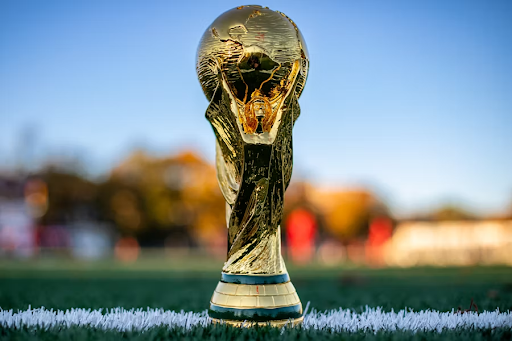
The World Cup always attracts attention long before the opening match. By the time teams arrive at the tournament, conversations about contenders, squads, managers, and potential surprises have often been underway for months. Betting markets tend to reflect that focus, reacting as narratives develop and new information becomes available.
As the 2026 World Cup approaches, several storylines have already emerged as major talking points. Some revolve around traditional football powers. Others focus on the tournament’s expanded format, influential managers, and a new generation of players expected to play prominent roles on the sport’s biggest stage.
The Traditional Contenders Still Dominate Discussions
Every World Cup cycle brings fresh excitement, though many conversations still begin with a familiar group of nations. France, Spain, Argentina, Brazil, and England continue to receive significant attention because of their talent, tournament pedigree, and the expectations that accompany them.
France enters the tournament with remarkable depth across multiple positions. Spain arrive with a squad that combines established international performers with one of the most exciting young cores in world football. Argentina remains a major talking point as the defending champions, while Brazil and England continue to attract scrutiny whenever a major tournament approaches.
Each team also brings a different set of questions. Can France translate their depth into another deep run? How far can Spain’s younger generation take them? What does Argentina look like on football’s biggest stage four years after lifting the trophy? Brazil and England have their own storylines as well, which is why discussion around these nations continues to drive much of the early tournament conversation.
Those debates aren’t limited to informal chats after work, television studios, or football publications. They’re also influencing early tournament markets, and many fans in search of greater insight are following team outlooks, squad developments, and outright discussions through platforms such as FanDuel Sportsbook.
The Expanded Format Has Led to New Questions
The 2026 tournament will be the first men’s FIFA World Cup to feature 48 teams, and that change alone has become one of the biggest discussion points entering the competition. More teams mean more matches, more travel, and more variables for analysts and bettors to consider.
Previous tournaments offered a familiar framework. This edition introduces new dynamics that are still being debated. How will teams manage larger schedules? Will traditional powers benefit from deeper squads? Could additional knockout rounds create opportunities for unexpected runs?
However, with more teams involved and more matches to analyze, many fans are reviewing research on previous World Cups to better understand how different tournament dynamics can influence expectations.
The answers will only become clear once the tournament gets underway. For now, the expanded format remains one of the most significant factors influencing early conversations surrounding the competition.
Managers Are Becoming Part of the Betting Conversation
Players typically receive most of the attention before a World Cup, though managers are attracting plenty of discussion this year as well. Several high-profile coaching situations have added another layer to pre-tournament analysis.
Brazil’s appointment of Carlo Ancelotti has generated widespread interest. His success at club level is well documented, and many observers are curious to see how his methods translate to international football. Managing a national team presents a different challenge, particularly during a tournament where preparation time is limited.
England enters the competition under Thomas Tuchel, another manager with an impressive club résumé. His arrival has naturally sparked conversations about tactics, player selection, and how England might approach major matches.
Coaches rarely determine a tournament on their own. Still, their influence can be significant, which is why managerial storylines continue attracting attention as the World Cup draws closer.
Emerging Stars Are Drawing Significant Attention
Every World Cup introduces new stars to a global audience. Sometimes those players arrive with established reputations. In other cases, the tournament becomes the moment they announce themselves on the biggest stage.
Lamine Yamal is among the names generating the most excitement entering 2026. His performances for Spain have already made him one of football’s most discussed young talents. , Jude Bellingham, in the England squad, is another player drawing widespread attention, having established himself as a central figure for both club and country.
Elsewhere, players such as Florian Wirtz of Germany and several other emerging stars have become regular topics of discussion whenever analysts examine potential breakout performers. Their ability to influence major matches is one reason so many fans are watching closely.
These storylines matter because individual performances often shape tournament narratives. A standout World Cup can elevate a player’s profile almost overnight, creating another layer of intrigue before the competition even begins.
Squad Depth May Matter More Than Ever
Talent wins attention, though depth often determines how far teams progress. That reality has become a major theme in discussions surrounding the 2026 tournament.
A longer competition creates additional demands on players. Recovery time becomes increasingly important. Rotations become necessary, and injuries can quickly alter a team’s outlook. As a result, many analysts are paying close attention to how much quality exists beyond a nation’s starting lineup.
France is frequently mentioned in these conversations because of their options across the pitch. England and Brazil are often discussed for similar reasons. Spain’s growing depth has also become part of the broader conversation surrounding its chances.
Squad depth may not generate the same headlines as a superstar player or a high-profile manager. Yet it remains one of the most important factors people consider when evaluating teams ahead of a major tournament.
Why Early Narratives Continue to Shape Betting Interest
Long before the first whistle, betting interest begins taking shape through conversations like these. Traditional contenders, managerial changes, emerging stars, squad depth, and the tournament’s expanded format have all contributed to the growing attention surrounding the 2026 World Cup.
Of course, pre-tournament narratives only tell part of the story. Once matches begin, new talking points will emerge, and existing assumptions will be challenged. That uncertainty is part of what makes the World Cup such a compelling event, both for football fans and for those following the tournament from a betting perspective.