

A league table offers a compact view of a competition, but a position alone cannot explain how a team arrived there. Readers benefit from checking the competition, the update time and the meaning of each column before drawing broader conclusions. This makes standings useful as sporting information without treating them as a prediction of what must happen next.
Identify the competition before comparing teams
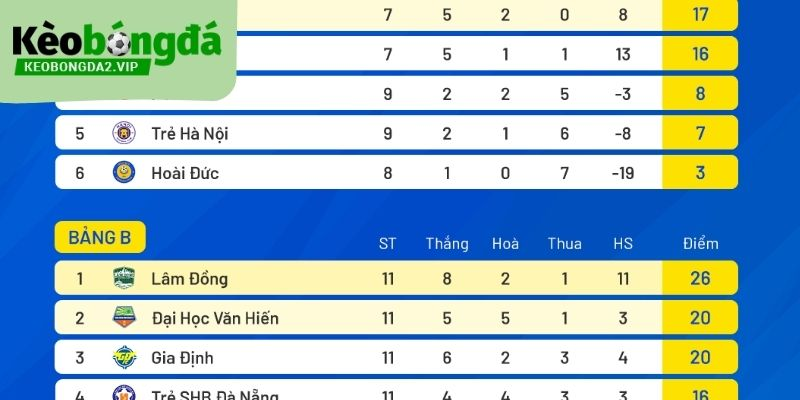
When researching kèo bóng đá, start by separating the match information from any interpretation attached to it. A team can appear in several competitions, and a result in one does not automatically affect another table. Check the full competition name, the relevant season and the team category. Similar names or abbreviated labels can otherwise make accurate information seem applicable to the wrong event. Establishing that context is more useful than immediately comparing the numbers shown beside two familiar teams.
Next, look at the time to which the information refers. A standings page may not yet reflect a recently completed match, while a match page may already show its final score. Before assuming that two sources contradict each other, compare their update context. If that context is unavailable, keep the uncertainty visible. A reader does not need to force an instant conclusion when the available information may represent different stages of the same competition.
Read the table as a set of related measures
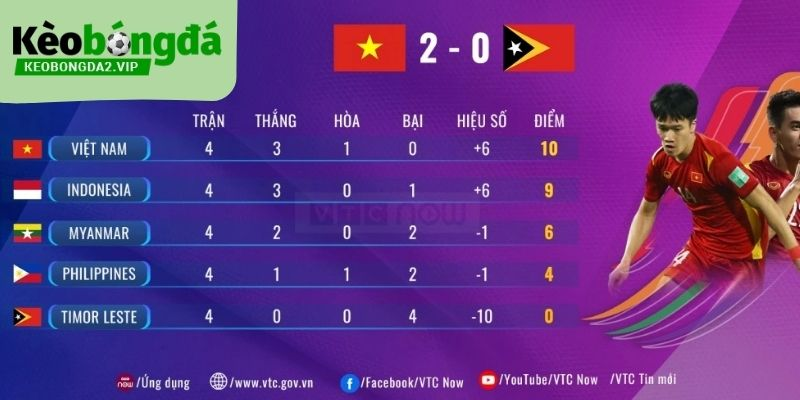
The reference bxh bóng đá points readers towards the subject of football standings. When examining a table, read the labels and the number of matches played as well as the position. Teams may not have completed the same amount of their schedule. A points gap therefore needs context before it can support a broader assessment. The table’s columns should be understood together rather than treated as separate pieces from which only the most striking number is selected.
Competition rules also matter when interpreting equal records or the consequences of a particular result. Do not assume that every competition resolves a situation in the same way. If the question concerns an official outcome, consult an appropriate explanation of the applicable rules. A commentator’s description of a close race may be engaging, but it serves a different purpose from an authoritative account of how positions are determined. Readers should preserve that distinction when sharing information with others.
Use standings to develop questions rather than certainty
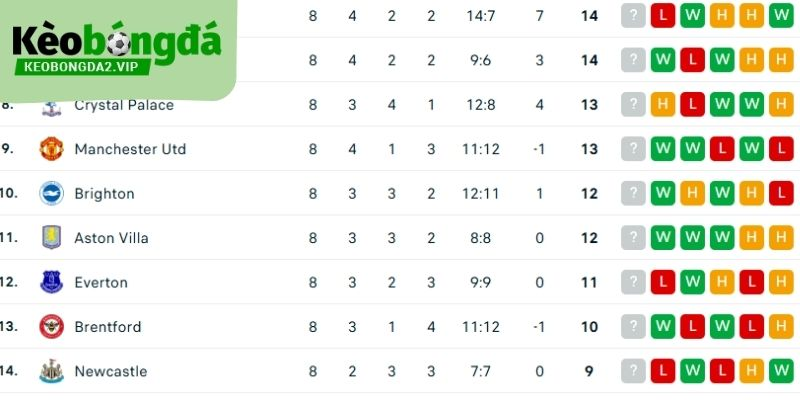
A position can suggest useful questions about a team’s season. You might want to know how results have changed over time or whether the remaining schedule creates a different context. Those are prompts for further reading, not answers supplied by the position itself. A recent victory should not be stretched into a complete explanation of a campaign. Equally, a disappointing result does not by itself establish that the next match will follow the same pattern.
If taking notes, record the competition, date and question that interests you. Keep confirmed information separate from personal impressions. This prevents a later review from turning an opinion into something remembered as a fact. A small, clear record is often more useful than a collection of screenshots without labels. It also makes it easier to revisit a discussion after several matches have been played and the table no longer looks exactly as it did.
Be careful when statistics are used to make an argument appear more certain than it is. A short sequence or a selective comparison can emphasise a pattern while leaving out relevant context. Ask what the figures describe and whether the limits are acknowledged. More numbers do not automatically produce a reliable prediction. Football analysis can still be interesting and informative when it admits that some influences are unknown and that future outcomes remain uncertain.
If the surrounding content includes real money betting, keep that decision separate from reading the standings. A team’s current position does not guarantee the next result. Check age requirements and the law where you live before considering participation. Set an affordable entertainment budget that excludes essential expenses and borrowed funds, and do not increase spending to recover a loss. Reading about a competition does not create an obligation to place a bet or join a paid group.
Protect account information if you follow any supplied reference. Check the destination before entering details, use a unique password and keep verification codes private. Avoid tools that promise guaranteed future results or ask for remote control of a device. When important conditions remain unclear, waiting or declining is a valid outcome. A useful source should support an informed choice, including the choice to enjoy football purely as a sporting interest.
Conclusion
Football standings are most useful when their competition, timing and column meanings remain visible. Read positions alongside matches played and applicable rules, then use the table to guide further questions. Keep commentary separate from confirmed information and avoid turning historical results into guarantees. Readers can enjoy following a league without a financial commitment; where real money is involved, personal limits, account security and local requirements remain essential.