

Horse racing betting offers more market variety than almost any other sport, which is exactly why newcomers lose money on it faster than they expect. A single race can be approached in a dozen ways, from a simple win bet to a four horse combination that requires perfect order, and each one carries a completely different risk profile. The racecard itself contains most of the information needed to choose sensibly, but only if you know how to read it. This guide covers the bet types, the form data and the bankroll discipline that make a race day at 789Club sustainable rather than expensive.
Horse Racing Betting Types From Simple to Exotic
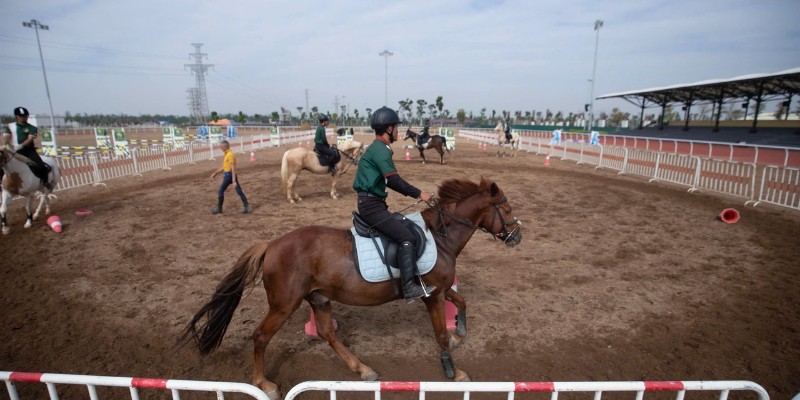
At 789Club , Every market on a race card belongs to one of two families, and knowing which family you are in tells you most of what you need about your realistic strike rate.
Win, place and show
A win bet requires your selection to finish first. A place bet pays if the horse finishes in the top positions, with the number of qualifying places set by field size. A show bet, common in American pools, extends that further down the finishing order. Returns shrink as the safety net widens, which is the trade off in its simplest form.
Each way bets
An each way stake is two bets in one, half backing the win and half backing the place. A 100 unit each way stake therefore costs 200 in total. The place portion pays a fraction of the win odds, usually one quarter or one fifth depending on the race conditions. This structure suits mid priced runners rather than short favourites, where the place return rarely justifies the doubled outlay.
Exacta, quinella and trifecta
These are the entry level exotics. An exacta requires the first two finishers in exact order, a quinella requires the same two in any order, and a trifecta extends the requirement to three. Boxing a selection covers every possible order at proportionally higher cost, which is where many beginners quietly overspend without noticing.
Superfecta and multi race bets
A superfecta demands the first four in exact order. Multi race wagers such as the Daily Double and Pick 3 require winners across consecutive races. Both carry long odds and correspondingly low strike rates, so they belong at small stakes rather than as the backbone of a session.
Fixed odds compared with pool betting
Fixed odds lock your price at the moment of placement. Pool betting, also called pari mutuel, divides the total pool among winners after deductions, so your final return is unknown until the race closes. Most horse racing betting markets at 789Club are offered at fixed odds, which makes value assessment considerably more straightforward.
How to Read a Racecard for Horse Racing Betting
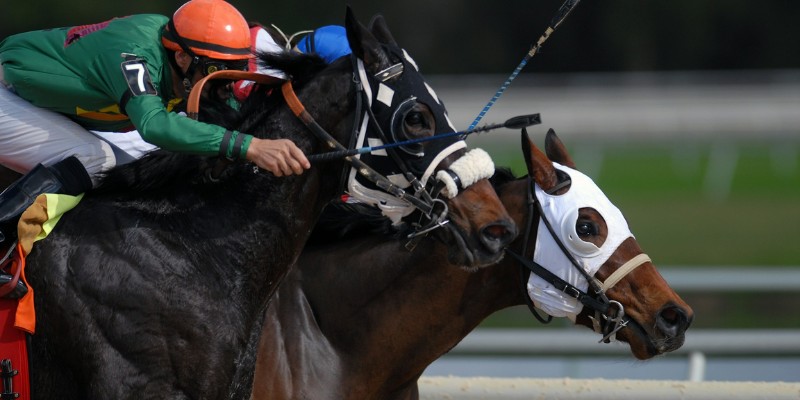
Once the bet types are clear, the racecard becomes the actual decision making tool rather than a list of names.
Work through these elements in order before making any selection:
- Form figures show recent finishing positions, read left to right with the most recent last. Symbols matter too, since a fall or a pulled up run tells a very different story from a modest finish.
- Distance and going are the two conditions that most often explain a poor run. A horse beaten over a mile may be entirely different over shorter, and soft ground suits some runners while ruining others.
- Weight carried reflects the handicapper’s assessment. A rise after a win and a drop after several defeats are both meaningful signals about where a horse currently sits.
- Jockey and trainer strike rates, particularly at the specific course, carry real predictive weight and are published alongside most cards.
- Draw position matters heavily at certain tracks and distances, especially on tight turning courses where an outside stall is a genuine disadvantage.
- Layoff length, class changes and first time equipment such as blinkers often explain sudden improvement that raw form figures do not capture.
Approaching horse racing betting this way removes most guesswork within a few minutes per race. The goal is not to find certainty, since it does not exist here, but to narrow a twelve runner field down to two or three genuine contenders and then decide whether the available price justifies a stake. Anyone who reaches that point before looking at the odds is already doing better than the majority of the market. Successful horse racing betting is far more about disciplined elimination than about spotting a hidden winner nobody else has seen.
Bankroll Rules That Keep Horse Racing Betting Sustainable
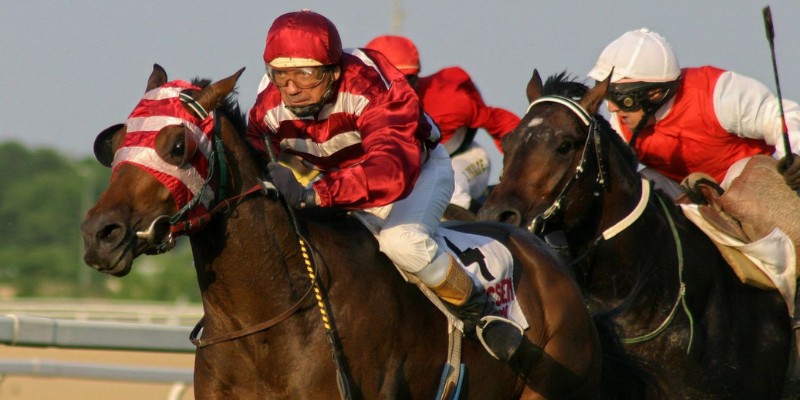
Selection skill means very little without a staking framework behind it, particularly across a card with eight or more races.
Unit sizing across the day
Decide your total race day budget in advance and divide it into equal units, typically between two and five percent each. Fixed unit staking removes the emotional escalation that follows a losing run and keeps your best selections funded until the end of the card.
When each way genuinely beats a win bet
Each way works best on runners priced roughly between six and sixteen to one in fields large enough to pay three or more places. On short favourites the place portion returns too little to justify doubling your outlay, and on extreme outsiders the win portion is close to dead money.
The last race trap
The final race of the day catches more bettors than any other. Chasing accumulated losses with an oversized stake on a race you have barely studied is the single most reliable way to turn a manageable day into a bad one. If your budget is spent, the card is over.
Grading your own decisions
Record the price you took and compare it with the starting price. Consistently beating the closing line indicates genuine judgement even during a losing run, while consistently taking worse prices signals a problem no winning streak will fix.
Using account controls
Deposit limits, session reminders and loss caps are available in the 789Club account settings, and configuring them before a big meeting is simply practical. Serious horse racing betting treats these tools as part of the process rather than as a warning sign.
>> Read more: Nhà cái Tài xỉu online uy tín
Conclusion
Horse racing betting rewards preparation and punishes improvisation more sharply than almost any other market. Understand what each bet type actually asks of you, spend a few minutes reading form, going and draw before looking at a single price, and stake in fixed units that survive a losing run. Keep the exotics small, treat the final race like any other, and review your own decisions against closing prices rather than results alone. Approached with that structure, a full card at 789Club becomes a series of considered decisions instead of an afternoon of guesswork.